
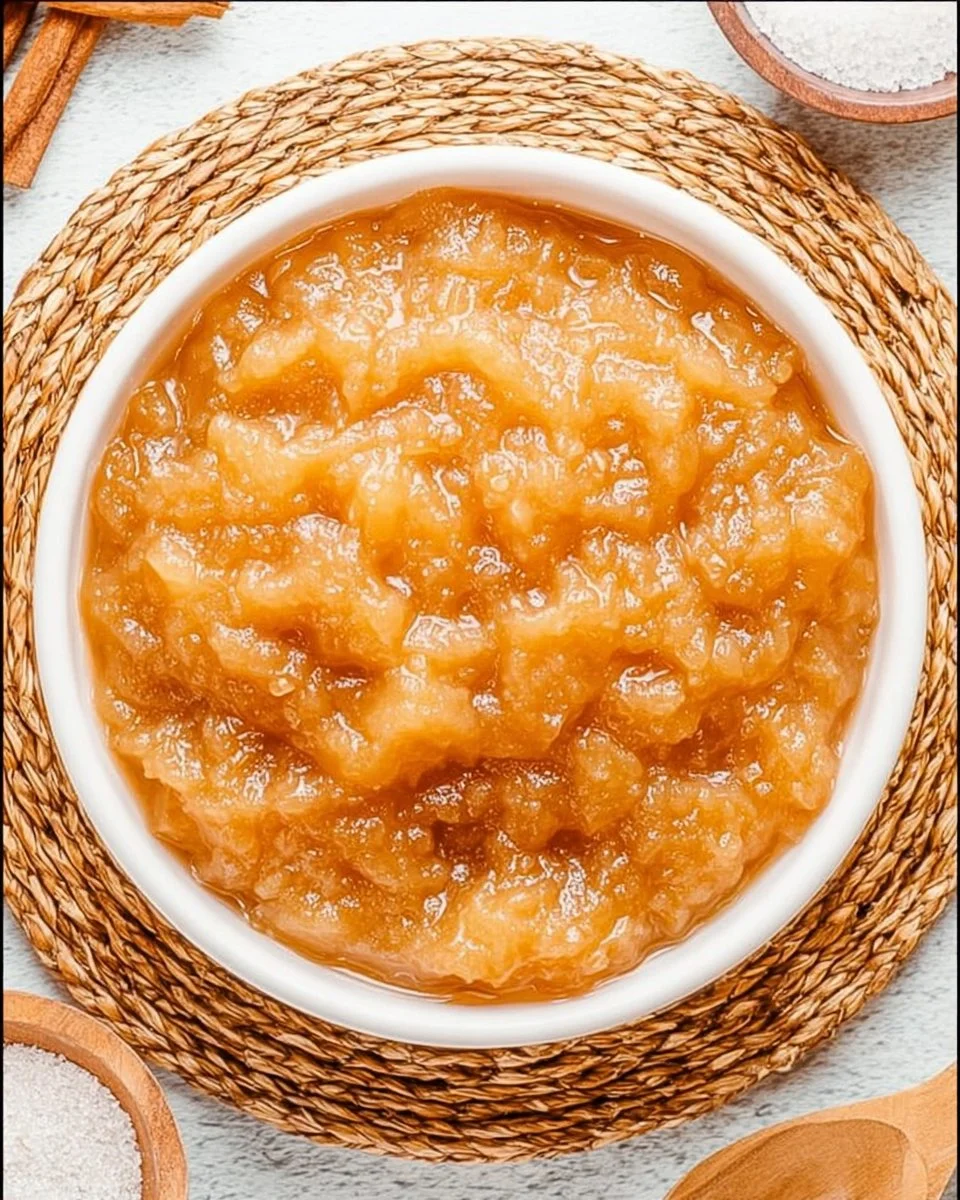
There’s something uniquely comforting about the aroma of fresh apples simmering on the stove, filling your home with a warm, inviting scent. Making your own applesauce is not just an easy and satisfying kitchen project; it’s also a delightful way to celebrate the flavors of autumn and enjoy the delicious taste of homemade goodness year-round. Imagine taking a spoonful of smooth, velvety applesauce that’s bursting with sweet and tart notes, perfectly balanced by a hint of cinnamon and a splash of lemon juice. Whether you’re spreading it on warm toast or enjoying it straight from a bowl, this stovetop treat provides a nostalgic reminder of simpler times and is as versatile as it is flavorful.
Creating your own applesauce allows you to customize the sweetness and spice to suit your personal preference, making it ideal for anyone who enjoys a touch of creativity in the kitchen. Plus, the satisfaction of transforming fresh ingredients into a comforting dish is unmatched. So, get ready to elevate your culinary repertoire with this easy recipe that’s sure to become a staple in your home!
Why You’ll Love This Recipe
This recipe is a straightforward way to incorporate wholesome flavors into your diet, making it perfect for busy weeknights. Not only is it easy to prepare, but it also encourages family bonding as everyone can pitch in to help peel and slice the apples. Apart from being a delightful snack, applesauce is incredibly versatile. Serve it as a side dish with pork chops or spoon it over pancakes to add a fruity twist to breakfast.
With its simple ingredients, this applesauce can fit into any healthy meal prep plans, allowing you to have a nutritious option readily available without the preservatives often found in store-bought varieties. Plus, it’s a fantastic solution for using up any extra apples you may have on hand, preventing waste and promoting creativity in the kitchen. Say goodbye to plain, store-bought condiments and say hello to the rich, homemade taste of applesauce that’s perfect for both kids and adults alike.
What Makes This Recipe Special
What sets this stovetop applesauce apart is its simplicity and adaptability. The basic recipe allows you to control the sweetness and flavor profiles with just a few adjustments, letting you cater to your tastes. Using a mixture of granulated and brown sugar adds depth and richness, while the cinnamon stick infuses a warm spice that elevates the overall experience.
Moreover, the process itself is quite rewarding; watching the apples transform from crisp and firm slices to a smooth and luscious sauce can be captivating. This method is perfect for those who prefer a chunky or a more polished applesauce, as it can be mashed or blended to your desired consistency. The final product not only serves as a dessert but also fits the bill as a healthy snack, a topping for yogurt, or a spread in baked treats.
Ingredients
apples: The star of the dish, providing the natural sweetness and flavor for the sauce.
water: Helps to steam the apples, ensuring they soften and cook evenly.
granulated sugar: Sweetens the sauce to your liking.
light brown sugar: Adds a deep, rich flavor that enhances the overall taste.
lemon juice: Brightens the flavors and prevents browning in the apples.
cinnamon stick: Infuses a warm and comforting spice into the sauce.
salt: Balances the sweetness and enhances the flavors of the apples.
How to Make Stovetop Applesauce
STEP 1. Prep the apples. Peel, core, and dice the apples into 1/2-inch pieces or slice them into thin rings.
STEP 2. Combine ingredients. Add all the apples and other ingredients to a large stockpot.
STEP 3. Bring to a boil. Cover the pot and heat on medium until boiling occurs.
STEP 4. Simmer. Reduce the heat to medium-low and simmer for about 30 minutes, stirring occasionally, until the apples are very tender.
STEP 5. Taste and adjust. Sample the mixture and adjust sweetness with more sugar if desired.
STEP 6. Blend or mash. Remove the cinnamon stick and blend or mash the mixture to your desired consistency.
STEP 7. Cool down. Allow the applesauce to cool; it will thicken as it cools.
STEP 8. Serve. Enjoy the applesauce immediately or refrigerate for later use.
Pro Tips
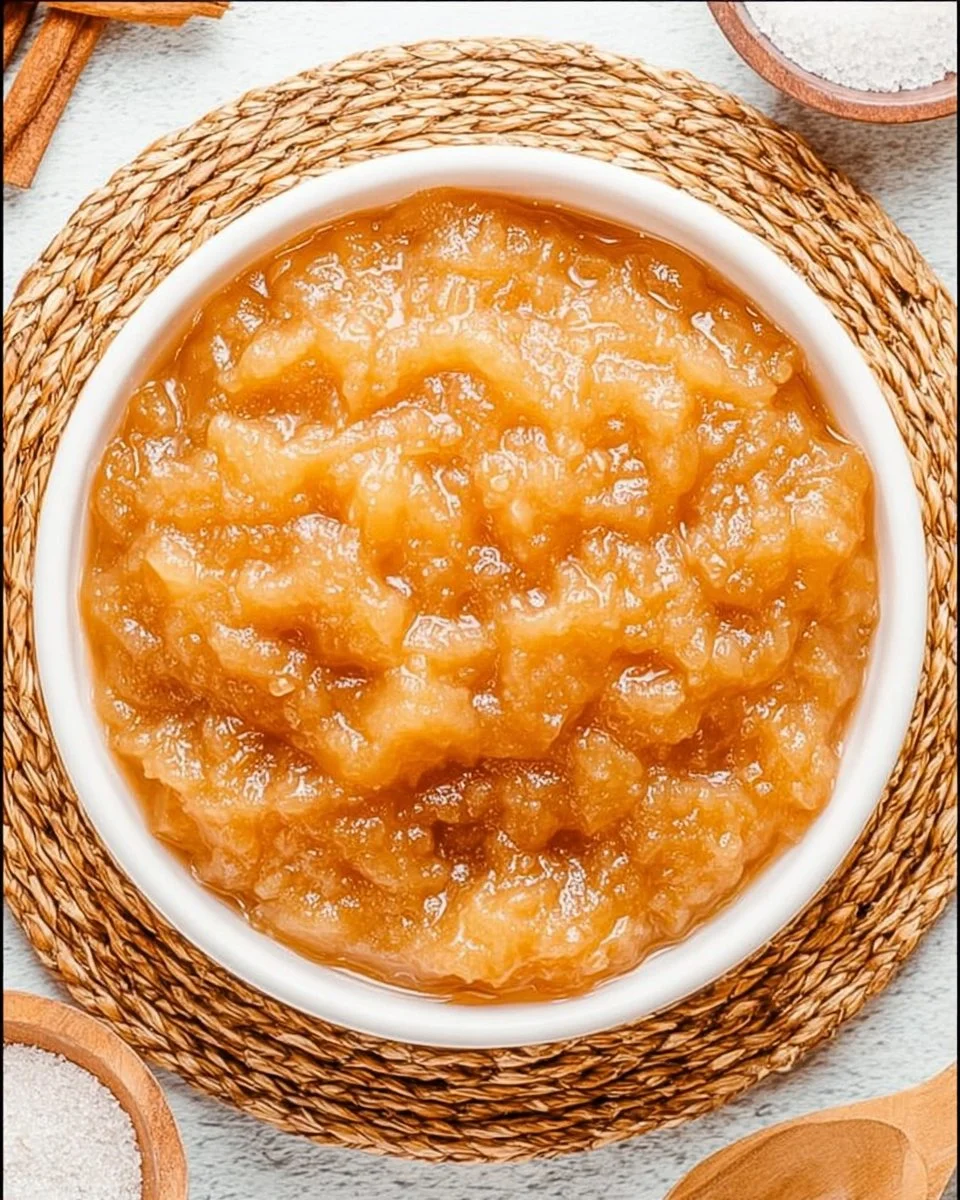
To make the most of your stovetop applesauce experience, follow these essential tips for optimal results. First, choose a variety of apples for a more complex flavor profile; mixing sweet apples like Fuji or Honeycrisp with tart apples like Granny Smith makes for a delicious sauce. When adding sugar, start with a smaller amount and gradually increase until you reach your desired sweetness; taste-testing is key! Use fresh lemon juice to enhance the brightness of the apples and keep the color vibrant. If you prefer a chunkier texture, simply mash the apples with a potato masher rather than blending them completely.
For added depth, consider incorporating spices such as nutmeg or a touch of ginger—it can provide a delightful twist. If you want to store your applesauce long-term, consider canning it or freezing it in small, airtight containers to maintain freshness. Don’t forget to label your containers with the date, so you can enjoy your homemade masterpiece at a later time!
Common Mistakes to Avoid
To ensure a perfect batch of applesauce, be mindful of these common pitfalls. First, avoid using overripe apples as they may result in an overly mushy texture and off-flavors. Secondly, don’t skip the lemon juice; it’s crucial for flavor balance and color preservation. Another mistake is not adjusting the sweetness; every apple variety has its level of natural sugars, so taste as you go along.
Cooking the apples on too high of a heat can also lead to uneven cooking; stick to medium to medium-low heat for consistent results. Lastly, ensure you remove the cinnamon stick after cooking; leaving it in can result in a stronger flavor that may overpower the applesauce. Following these guidelines will help you create a delicious, batch of applesauce every time.
Variations
• Add vanilla extract for a warm, aromatic note.
• Toss in raisins or dried cranberries for an extra dimension of flavor.
• Incorporate pear slices for a unique twist on traditional applesauce.
• Use maple syrup instead of sugar for a different sweetness profile.
• Experiment with other spices like cardamom or allspice for a personalized touch.
Serving Ideas
Homemade applesauce is a versatile addition to your meals. Serve it warm as a comforting side dish alongside roasted meats for a delightful pairing. Consider using it as a topping over oatmeal or yogurt for a healthy breakfast option. It can also be a delicious filling for pastries, pancakes, or muffins. For a refreshing treat, chill the applesauce and serve it with a dollop of whipped cream as a light dessert. The possibilities are endless with this simple yet satisfying dish!
Meal Prep & Storage
Making stovetop applesauce is perfect for meal prep. Once cooled, store the applesauce in airtight containers in your refrigerator for up to one week. You can also freeze it for longer storage, ensuring you always have a healthy snack on hand. Simply pour the applesauce into freezer-safe containers or resealable bags, leaving some space for expansion, and freeze for up to three months. When ready to enjoy, defrost it in the refrigerator overnight or warm it gently on the stove. This homemade treat is as easy as it is delicious, so don’t hesitate to whip up a large batch!
FAQs
Can I use any type of apple?
Yes, you can use a mix of sweet and tart apples, such as Fuji, Honeycrisp, and Granny Smith, for a balanced flavor.
How can I make the applesauce less sweet?
You can reduce the amount of sugar added or omit it entirely if you prefer a more natural taste.
Is it necessary to blend the applesauce?
It depends on your texture preference. You can leave it chunky by simply mashing the apples or blend it for a smoother consistency.
How do I know when the apples are done cooking?
The apples should be very tender and easily break apart when stirred or mashed.
Can I add other flavors to my applesauce?
Absolutely! Consider adding spices like ginger, nutmeg, or cloves for different flavor profiles.
Conclusion
Homemade applesauce is a delightful and versatile kitchen staple that brings comfort and flavor to any meal. With just a few simple ingredients and a bit of time, you can create a fresh, wholesome treat that’s sure to please everyone at the table. Whether enjoyed on its own or incorporated into other dishes, this easy recipe is a great way to savor the taste of real apples. Enjoy the process and delight in the delicious results!
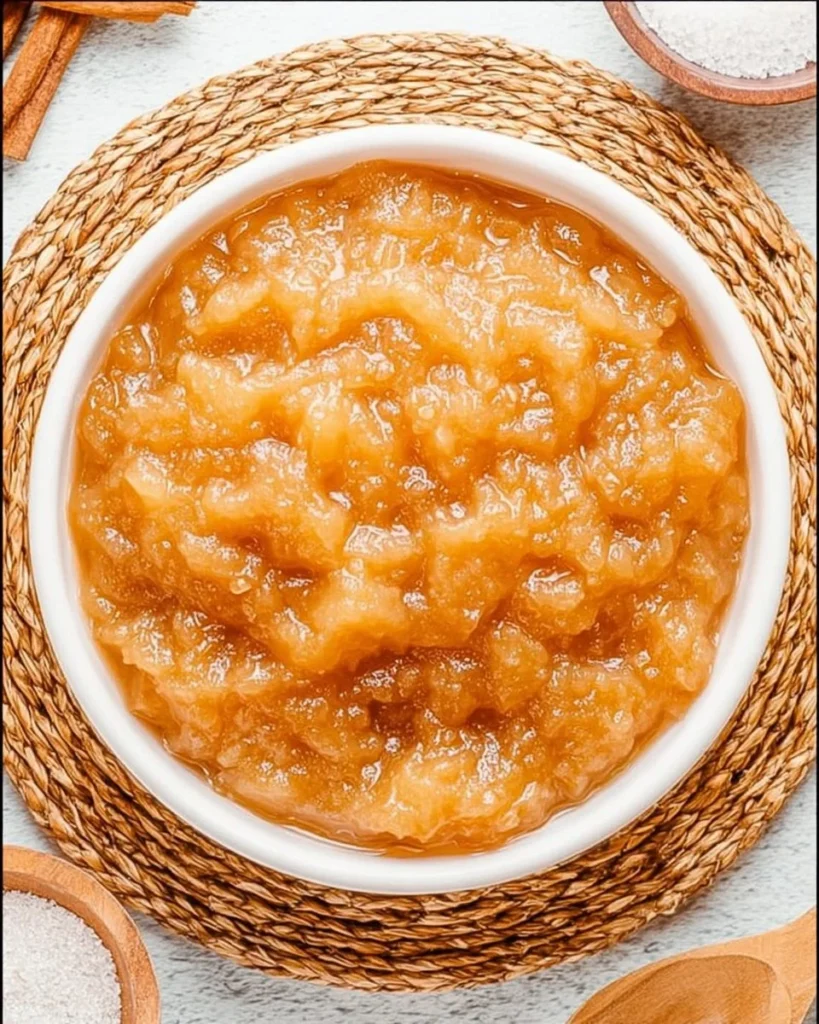
Stovetop Applesauce
Ingredients
Method
- Peel, core, and dice the apples into 1/2-inch pieces or slice them into thin rings.
- Add all the apples and other ingredients to a large stockpot.
- Cover the pot and heat on medium until boiling occurs.
- Reduce the heat to medium-low and simmer for about 30 minutes, stirring occasionally, until the apples are very tender.
- Taste the mixture and adjust sweetness with more sugar if desired.
- Remove the cinnamon stick and blend or mash the mixture to your desired consistency.
- Allow the applesauce to cool; it will thicken as it cools.
- Enjoy immediately or refrigerate for later use.