
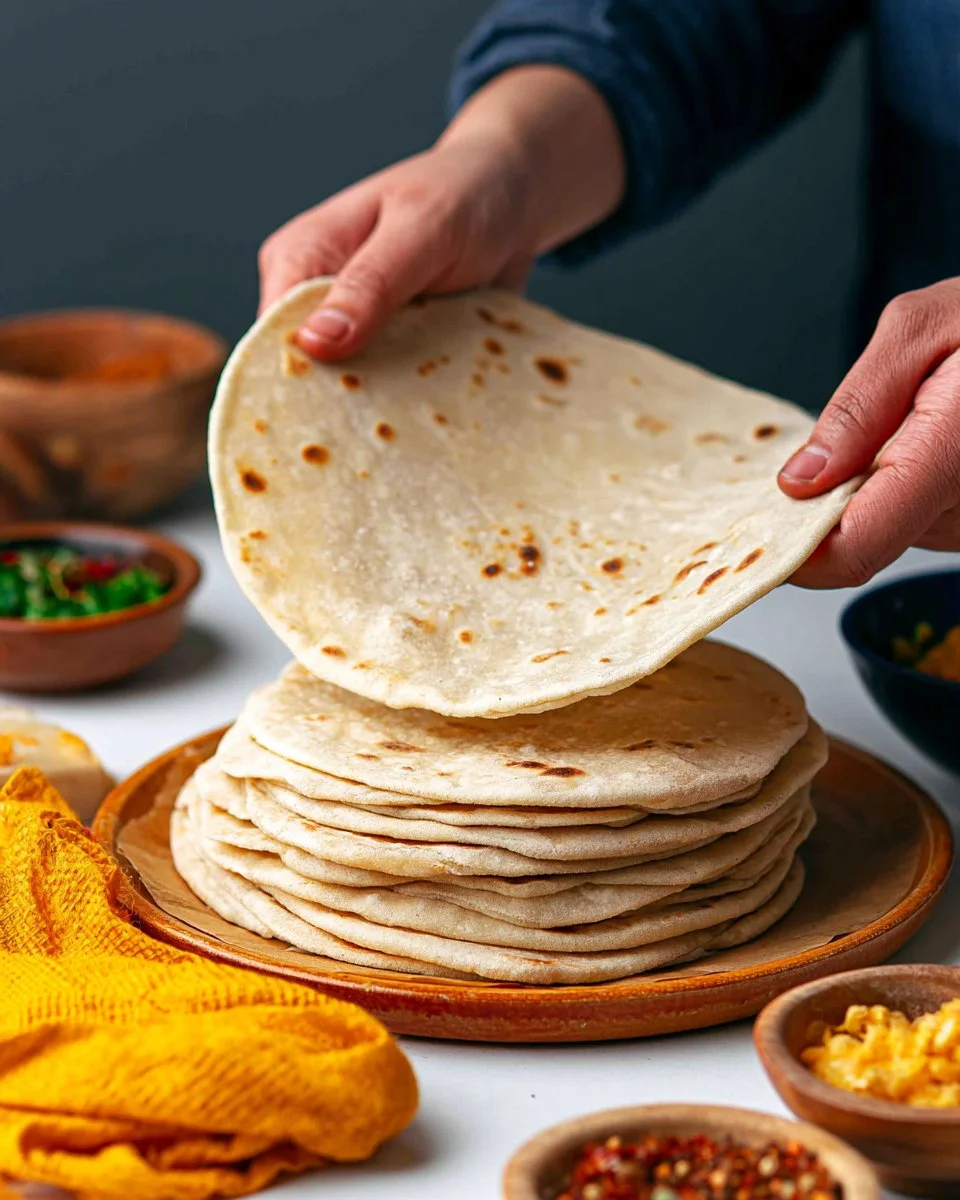
Imagine a warm, soft chapati gently enveloping your favorite curry or stew. With every bite, you experience the perfect harmony of flavors and textures—a culinary hug that warms the heart. Preparing this delightful bread is not only easy but also incredibly rewarding. The aroma of freshly cooked chapati wafting through your kitchen will make your family gather eagerly around the table, ready to indulge in comforting meals together.
Chapati is a traditional unleavened flatbread that holds a treasured place in many cuisines, particularly South Asian. When made at home, chapati transforms into something special, boasting a slightly chewy texture and a warm, toasty aroma that store-bought options simply cannot match. Plus, they pair beautifully with all kinds of dishes, from spicy curries to vegetable stews, making them a versatile staple in any household.
Quick Answer
Home-cooked chapati is a soft, flavorful flatbread that complements a variety of meals, providing a basis for a myriad of delicious combinations.
Why You’ll Love This Recipe
This chapati recipe is a must-try for anyone interested in traditional Indian cooking or looking to enhance their meal repertoire. Here’s why you’ll adore this recipe:
- Easy Preparation: No fancy equipment needed, just your hands and a rolling pin.
- Quick Cook Time: Chapatis cook in a matter of minutes—perfect for busy weeknights.
- Versatile Pairing: They can accompany any dish, from savory curries to hearty stews.
- Customizable: Adjust thickness and size according to personal preference.
- Nutritious: Made with simple, wholesome ingredients that are easy to find.
What Makes This Recipe Special
This chapati recipe stands out due to its simplicity and the quality of the ingredients used. With just a handful of elements, you can create a delicious bread that enhances any meal. The dough’s kneading process develops the gluten, resulting in a tender texture that’s pleasant to chew. Additionally, the resting period allows the dough to relax, making it easier to roll out into perfect circles. The use of vegetable oil not only enhances the flavor but also adds moisture, ensuring your chapatis remain soft and pliable. When cooked over medium-low heat, each chapati puffs up beautifully, creating the ideal pocket for holding your favorite fillings or sauces.
Kitchen Tools You’ll Need
- Mixing Bowl – For combining the dough ingredients.
- Rolling Pin – Essential for rolling out the dough into thin circles.
- Frying Pan – Used to cook the chapatis evenly.
- Spatula – For flipping the chapatis during cooking.
- Cling Film or Cloth – To cover the dough while it rests.
Ingredients
warm water: Hydrates the flour and activates the dough’s elasticity for the perfect chapati texture.
sugar: Adds a hint of sweetness which balances the flavors.
salt: Enhances the overall taste, making every bite more flavorful.
vegetable oil: Provides moisture and richness, helping to keep the chapatis soft.
all purpose flour: The main ingredient that forms the base of the chapati, giving it structure and chewiness.
Ready to cook? Scroll to the recipe card below for exact measurements.
How to Make Chapati
Phase 1 – Prep
STEP 1. Start with warm water. In a heatproof bowl, dissolve sugar and salt in the warm water.
STEP 2. Add oil. Stir in 1/4 cup of vegetable oil to the water mixture.
STEP 3. Mix in flour. Use your hand to incorporate the flour until a dough forms.
STEP 4. Knead the dough. Knead for 3-5 minutes until the dough is smooth and elastic.
STEP 5. Rest the dough. Cover the dough and let it rest for 10 minutes.
Phase 2 – Cook
STEP 6. Roll out the dough. Shape the rested dough into a rectangle and drizzle it with oil.
STEP 7. Shape into spirals. Cut the dough into strips and roll each strip into a spiral, flattening slightly.
STEP 8. Heat the pan. Preheat a frying pan over medium-low heat.
STEP 9. Roll into circles. Roll each piece into a circular shape.
STEP 10. Cook the chapati. Cook on the pan, flipping until they are lightly browned on both sides.
Phase 3 – Serve
STEP 11. Serve warm. Enjoy your chapati with your choice of curry or stew.
Why This Recipe Works
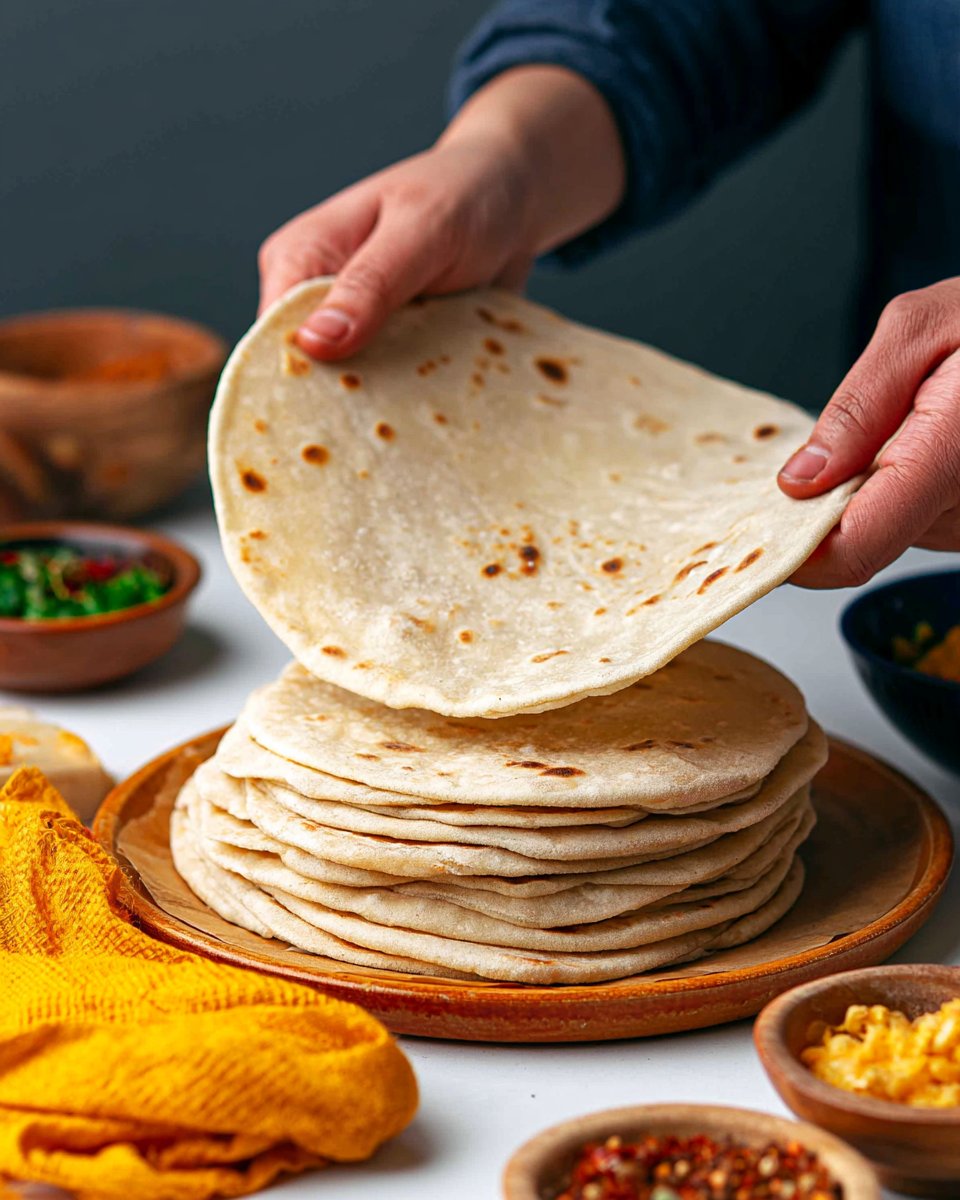
This chapati recipe is designed with balance in mind—combining the elasticity of the flour with the moisture from warm water and oil results in a texturally harmonious flatbread. The process of kneading builds gluten, which gives chapatis their tender yet slightly chewy consistency, making them the perfect vehicle for flavorful dishes. Cooking the chapatis over medium-low heat is vital, as it allows for even cooking and ensures each chapati puffs up beautifully, creating a light, airy interior that holds sauces perfectly. This method enhances both flavor and texture, ensuring your chapati is as delicious as it is versatile.
Pro Tips
To achieve the best chapatis, here are some handy tips:
- Make sure the water is just warm, not hot. Hot water can make the dough tough.
- Don’t skip the resting time as it allows the gluten to relax, resulting in softer chapatis.
- Use more flour for rolling if needed, to prevent sticking but avoid using excessive flour that could dry out the dough.
- Keep your pan hot enough to puff the chapati, but not so hot that they burn.
- Store cooked chapatis wrapped in a clean cloth to keep them warm and soft until serving.
Common Mistakes to Avoid
Variations
- Whole Wheat Chapati – Substitute all-purpose flour with whole wheat flour for added nutrients.
- Flavored Chapati – Add herbs or spices like cumin or coriander to the dough for an extra flavor boost.
- Stuffed Chapati – Fill the chapati with spiced potatoes or paneer before rolling and cooking for a filling treat.
- Gluten-Free Chapati – Replace all-purpose flour with a gluten-free blend to accommodate dietary needs.
- Spiced Chapati – Mix in chili powder or garlic powder into the dough for added zing.
Nutrition Highlights
| Nutrient | Role |
|---|---|
| Carbohydrates | Provide energy for daily activities and sustaining health. |
| Protein | Helps support satiety and balanced meals. |
| Fiber | Promotes digestive health and aids in maintaining a healthy weight. |
Serving Ideas
Serve warm chapatis with a colorful array of your favorite curries, stews, or dals. Their soft texture is perfect for scooping up the rich flavors of a spicy vegetable curry, or try pairing them with a refreshing cucumber salad for a light meal. For a snack, they can also be served with a variety of dips or chutneys. The possibilities for enjoying chapati are endless, making them a delightful addition to any meal.
Best Occasions for This Recipe
Chapati is an excellent choice for family dinners, casual get-togethers, or even festive occasions. Their versatility makes them suitable for both everyday meals and special gatherings. You can easily prepare them to accompany holiday feasts or serve them at potlucks, where they’ll surely be a hit. Whether it’s a cozy dinner or a lively celebration, chapati delivers comfort and satisfaction to any dining experience.
Meal Prep & Storage
Meal Prep
For meal prep, you can make chapatis ahead of time and store them for later use. Prepare your chapati dough and cook them the night before for an easy addition to your meals.
Refrigeration
Store any leftover chapati in a sealed container in the refrigerator. For best results, separate layers with parchment paper to prevent sticking.
Freezing
Chapatis can also be frozen for future use. Place parchment paper between each chapati and store them in an airtight freezer bag. They can be frozen for up to three months.
Reheating
To reheat, simply warm them in a pan for a few minutes on medium heat, or wrap in a damp paper towel and microwave for 10-15 seconds.
FAQs
How long do chapatis last in the fridge?
Chapatis can last up to three days in the fridge when stored properly in a sealed container.
Can I use whole wheat flour instead?
Absolutely! Whole wheat flour makes a nutritious alternative for chapatis, though the texture may vary slightly.
What is the best way to keep chapatis warm?
Wrap cooked chapatis in a clean kitchen towel to keep them warm and soft until meal time.
How do I know when the chapatis are cooked?
The chapatis are done when they puff up and develop light brown spots on both sides.
Can I prepare chapati dough in advance?
Yes, you can prepare the dough a few hours in advance, just keep it covered to prevent drying out.
Save This Recipe for Later
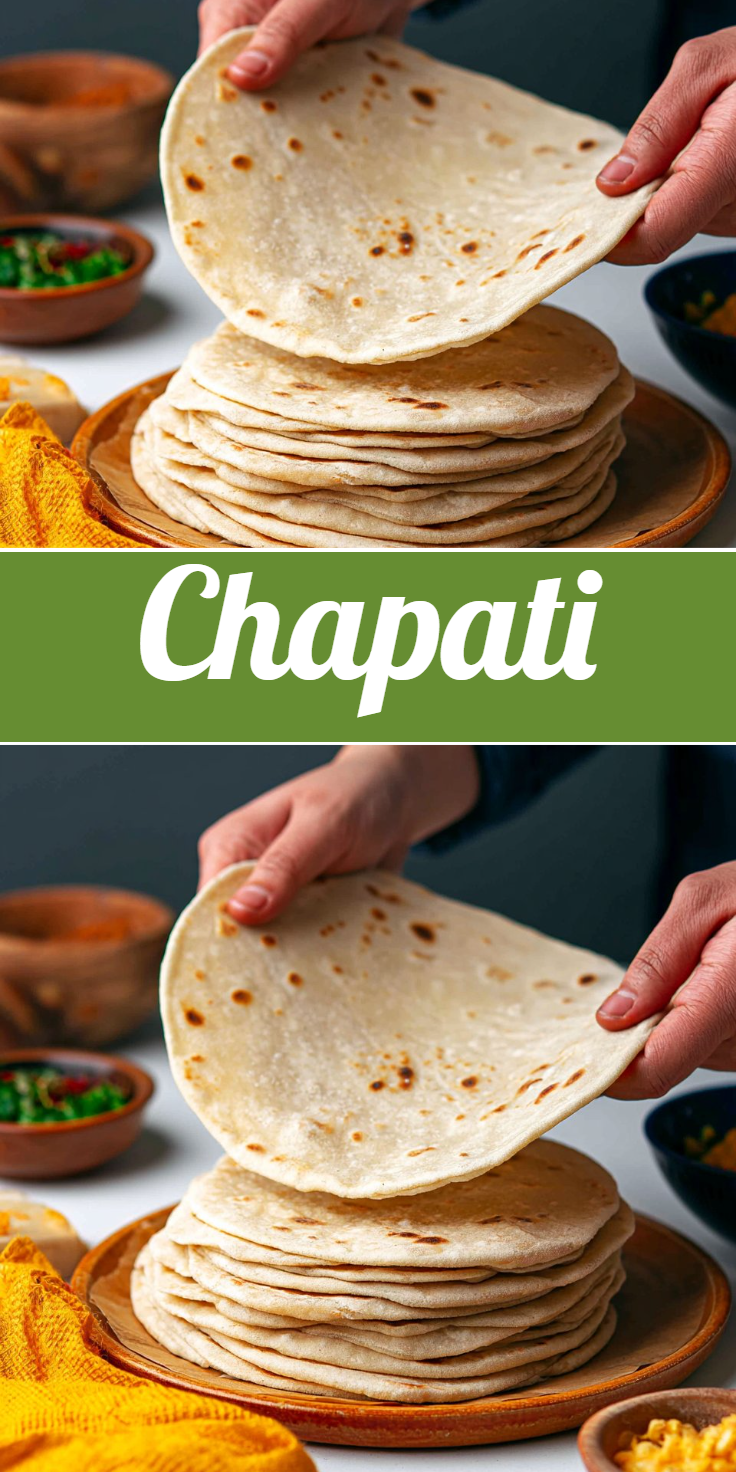
Pin this recipe for easy access anytime you need to whip up delicious chapatis!
Conclusion
Making chapati at home is a simple yet rewarding experience that brings warmth and comfort to your dining table. With just a few ingredients and easy steps, you can create this delightful flatbread to accompany any meal. Whether it’s for a special occasion or your everyday dinner, homemade chapati adds a touch of tradition and flavor that enhances every bite. Don’t hesitate to gather your ingredients and start your chapati journey today—your tastebuds will thank you!
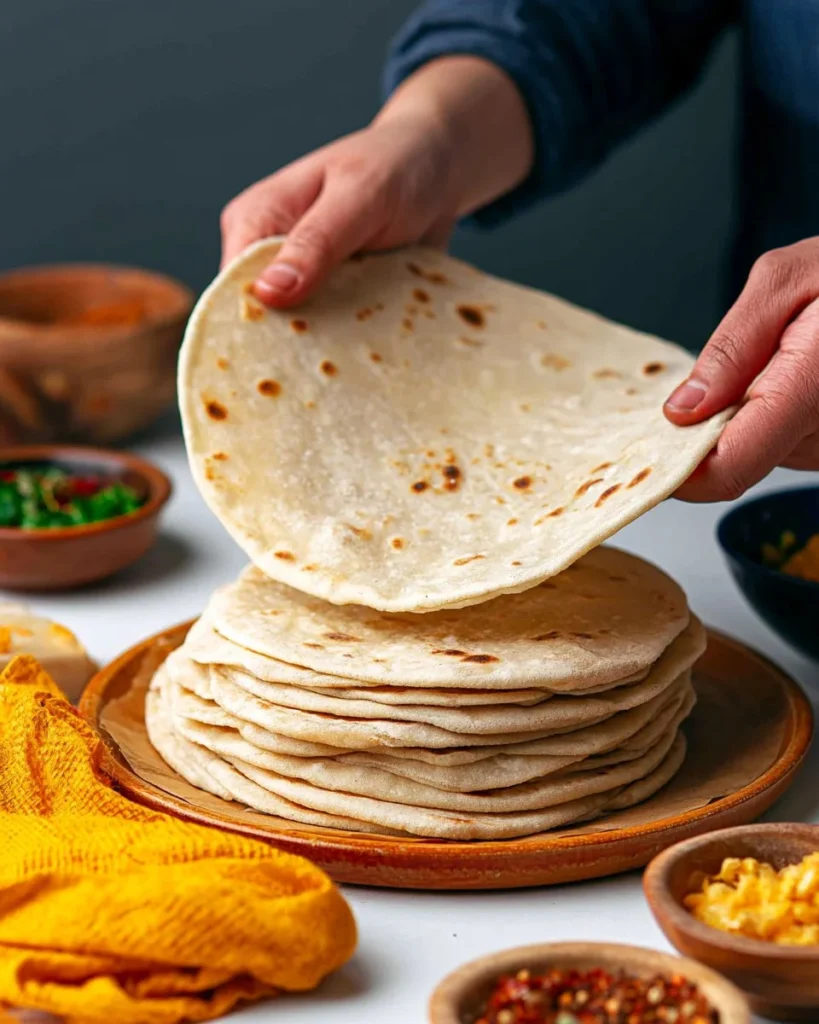
Chapati
Ingredients
Method
- In a heatproof bowl, dissolve sugar and salt in the warm water.
- Stir in vegetable oil to the water mixture.
- Use your hand to incorporate the flour until a dough forms.
- Knead for 3-5 minutes until the dough is smooth and elastic.
- Cover the dough and let it rest for 10 minutes.
- Shape the rested dough into a rectangle and drizzle it with oil.
- Cut the dough into strips and roll each strip into a spiral, flattening slightly.
- Preheat a frying pan over medium-low heat.
- Roll each piece into a circular shape.
- Cook on the pan, flipping until they are lightly browned on both sides.
- Serve warm with your choice of curry or stew.