
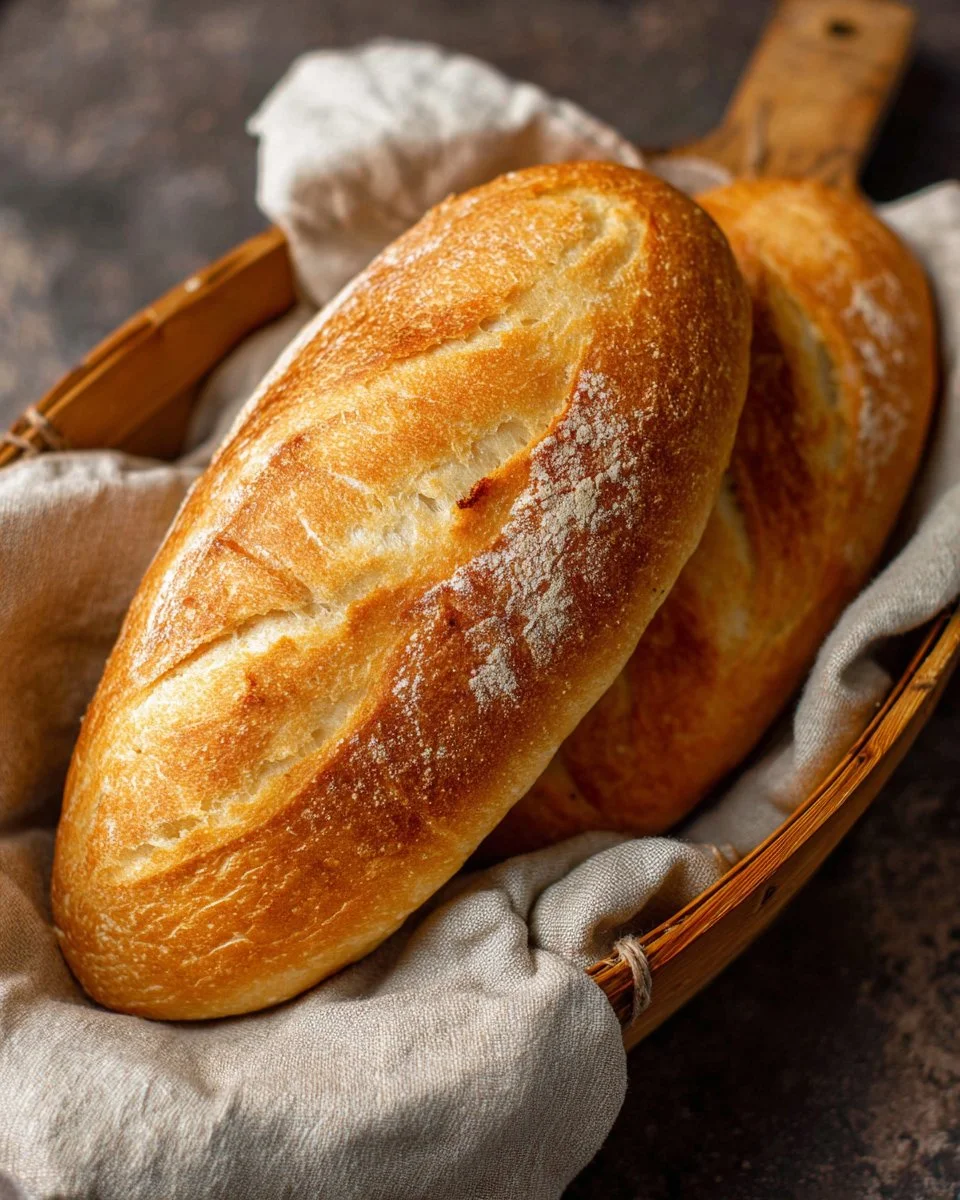
There’s something truly magical about the aroma of freshly baked bread wafting through your home. Soft on the inside with a perfectly crispy crust on the outside, bread is not just a staple; it’s comfort food at its finest. Imagine serving warm slices straight from the oven to your family, slathered in butter or dipped in olive oil—it’s an experience everyone will cherish. This French bread recipe is a perfect weekend project, allowing you to take a moment to enjoy the art of baking while creating something that will elevate your meals throughout the week. Whether you’re preparing for a cozy family dinner or hosting friends for a gathering, this bread brings a touch of warmth and heart to every occasion.
Quick Answer
This French bread recipe is a simple yet classic way to create delicious loaves at home. Its chewy texture and crusty exterior make it perfect for sandwiches, toasting, or simply enjoying with butter. It’s great for busy families and anyone looking to add a homemade touch to their meals.
Why You’ll Love This Recipe
This recipe is not just about creating bread; it’s a delightful journey into baking that anyone can embark on. Perfectly chewy and satisfying, the bread stands out with its crispy crust and airy interior. It’s not only a great way to gather the family for some kitchen fun but also a fantastic make-ahead option that you can enjoy through the week.
- Flavorful: The slight sweetness and rich olive oil create a depth of flavor.
- Texture: A delightful combination of crunchy crust and soft interior.
- Convenience: Perfect for sandwiches, pairings, and more.
- Meal Prep: Easy to make ahead for busy weeknights.
- Family Appeal: A fun activity to do together on the weekends.
What Makes This Recipe Special
This French bread stands out with its ideal balance of crust and crumb. The steam generated during baking ensures a crusty exterior while keeping the inside tender and airy. Its simple ingredient list—water, flour, yeast, sugar, olive oil, and salt—unlocks an extremely rewarding flavor without excessive fuss. There’s an emotional connection tied to the act of baking, and this recipe offers that satisfaction simply and deliciously.
Kitchen Tools You’ll Need
- Mixing Bowl – to combine your ingredients smoothly.
- Dough Hook – helps knead the dough efficiently if using a stand mixer.
- Stand Mixer – optional, but it makes mixing and kneading much easier.
- Parchment Paper – for lining your baking sheet for easy transfer and cleanup.
- Wire Rack – to cool your bread properly after baking.
- Sharp Knife or Lame – to score the loaves for a better rise.
Ingredients
warm water: Needed to activate the yeast and create dough consistency.
sugar: Offers sweetness and helps activate the yeast for a quicker rise.
instant yeast: The key leavening agent that helps the bread to rise.
olive oil: Adds flavor and moisture to the bread.
all-purpose or bread flour: The main structure-building ingredient creating the chewiness.
kosher salt: Enhances flavor and controls yeast activity.
Ready to cook? Scroll to the recipe card below for exact measurements.
How to Make French Bread
STEP 1. Prepare the yeast. In a large mixing bowl (or the bowl of a stand mixer), combine the warm water, sugar, and yeast. Let sit for 5 minutes until foamy. (If you’re sure your instant yeast is fresh, you can skip this step—proofing is optional but helpful).
STEP 2. Add remaining ingredients. Add the olive oil, flour, and salt to the yeast mixture. Mix with a dough hook on low speed (or stir with a sturdy spoon) until a shaggy dough forms.
STEP 3. Knead the dough. Knead on medium speed (or by hand on a lightly floured surface) for 8–10 minutes, until the dough is smooth and elastic.
STEP 4. First rise. Shape the dough into a ball and place it in a lightly oiled bowl. Cover with plastic wrap or a clean kitchen towel. Let rise in a warm spot for 1 to 1½ hours, or until doubled in size.
STEP 5. Shape the loaves. Punch down the dough and divide it in half. On a lightly floured surface, shape each half into a tight log about 12–14 inches long. Pinch the seams and ends to seal.
STEP 6. Second rise. Place the loaves seam side down on a parchment-lined baking sheet. Cover and let rise for 30–40 minutes, or until puffy but not over-proofed—they should roughly double in size.
STEP 7. Preheat the oven. Preheat the oven to 425°F (220°C). Place an empty baking dish or metal pan on the bottom rack to create steam later.
STEP 8. Score the loaves. Use a sharp knife or lame to score each loaf with 3–4 diagonal slashes. Quickly place the loaves in the oven and pour 1 cup of hot water into the pan on the bottom rack to generate steam. Close the oven door immediately.
STEP 9. Bake. Bake for 25–30 minutes, or until the loaves are golden brown and sound hollow when tapped on the bottom. The internal temperature should reach about 200°F (93°C).
STEP 10. Cool. Transfer the loaves to a wire rack and let cool for at least 20 minutes before slicing.
Why This Recipe Works
The remarkable texture of this French bread lies in the unique process of baking it with steam. This technique ensures that the crust develops beautifully, creating that desirable crunch that contrasts with the soft inside. Moreover, the interaction between the ingredients, such as the yeast feeding on the sugar, helps create the ideal rise while forming the characteristic air pockets throughout the loaf.
Pro Tips for Best Results
- Use fresh ingredients for the best rise and flavor.
- Experiment with different flours for varied textures.
- For an even crispier crust, mist the oven with water during the first few minutes of baking.
- Consider using a baking stone for a professional touch.
- Brush the loaves with olive oil before baking for extra flavor.
Common Mistakes to Avoid
Mistake:
Not letting the yeast activate properly.
Why it happens:
Using water that is too hot or too cold can kill or under-activate the yeast.
How to fix it:
Use warm water that feels comfortable to the touch, around 110°F.
Mistake:
Over-kneading the dough.
Why it happens:
This can lead to a tough bread instead of a soft and airy one.
How to fix it:
Knead just until the dough is smooth and elastic—8 to 10 minutes is sufficient.
Mistake:
Not scoring the loaves.
Why it happens:
This can cause the bread to burst during baking, leading to uneven shapes.
How to fix it:
Always score the loaves to allow for controlled expansion.

Recipe Variations
- Herb-Infused French Bread – Add dried herbs like rosemary or thyme for a fragrant twist.
- Garlic French Bread – Incorporate minced garlic into the dough for a savory flavor.
- Olive Bread – Mix in olives for a Mediterranean touch.
- Whole Wheat French Bread – Substitute part of the all-purpose flour with whole wheat flour for added nutrition.
- Cheese-Stuffed French Bread – Fill the dough with cheese before baking for a gooey center.
Nutrition Highlights
| Nutrient | Amount per Serving |
|---|---|
| Protein | 8g |
| Fiber | 2g |
| Carbohydrates | 38g |
| Healthy Fats | 3g |
| Calories | 200 |
How to Serve French Bread
- Slice and toast for breakfast with butter and jam.
- Perfect as a side for soups and salads.
- Use for sandwiches filled with your favorite deli meats and cheeses.
- Serve with olive oil and balsamic vinegar for dipping.
- Make delicious garlic bread with butter and minced garlic.
Best Occasions for This Recipe
- Weeknight dinners with the family.
- Holiday gatherings to impress guests.
- Meal prep for easy lunches throughout the week.
- Family gatherings or potlucks.
Make Ahead & Storage
Can This Be Meal Prepped
Yes, you can prepare the dough ahead of time. After the first rise, shape and refrigerate the dough for up to 24 hours, allowing it to come to room temperature before the second rise.
Storing Leftovers
Store leftover bread in a paper bag at room temperature for up to 2 days or wrap tightly in plastic wrap for longer freshness.
Freezing
To freeze, slice the bread and store in a freezer bag for up to three months. This allows you to take out only what you need.
Reheating
Reheat in the oven at 350°F for about 10 minutes to restore crustiness, or toast individual slices for a quick snack.
Creative Ways to Use Leftovers
Leftover French bread can be transformed into:
- Wraps filled with vegetables and meats for lunchboxes.
- Hearty sandwiches with lunchtime fillings.
- Tasty crostini topped with spreads and herbs.
- Breadcrumbs for topping casseroles or for use in meatballs.
FAQs
Can I use active dry yeast instead of instant yeast?
Yes, just remember to proof it first in warm water for about 10 minutes.
How long does French bread last?
Homemade bread is best enjoyed fresh but can last for 2–3 days at room temperature and longer if frozen.
Why is my bread dense?
This can be due to not kneading enough, using old yeast, or not allowing the dough to rise properly.
Can I add other ingredients like cheese or herbs?
Absolutely! Feel free to experiment with your favorite add-ins to enhance flavor.
How do I keep the crust crispy?
Store the bread in a paper bag rather than plastic, and reheat it in the oven when ready to enjoy.
Save This Recipe for Later
If you love this recipe, consider saving it to your Pinterest boards or sharing it with friends and family. Homemade French bread is a comforting classic that everyone should experience!
Final Thoughts
This bread is not just a recipe but an experience that brings joy to your kitchen. With its rich flavor and delightful texture, it’s the perfect addition to any meal. Give this French bread a try, store it for those busy days, and come back for more delicious homemade recipes.
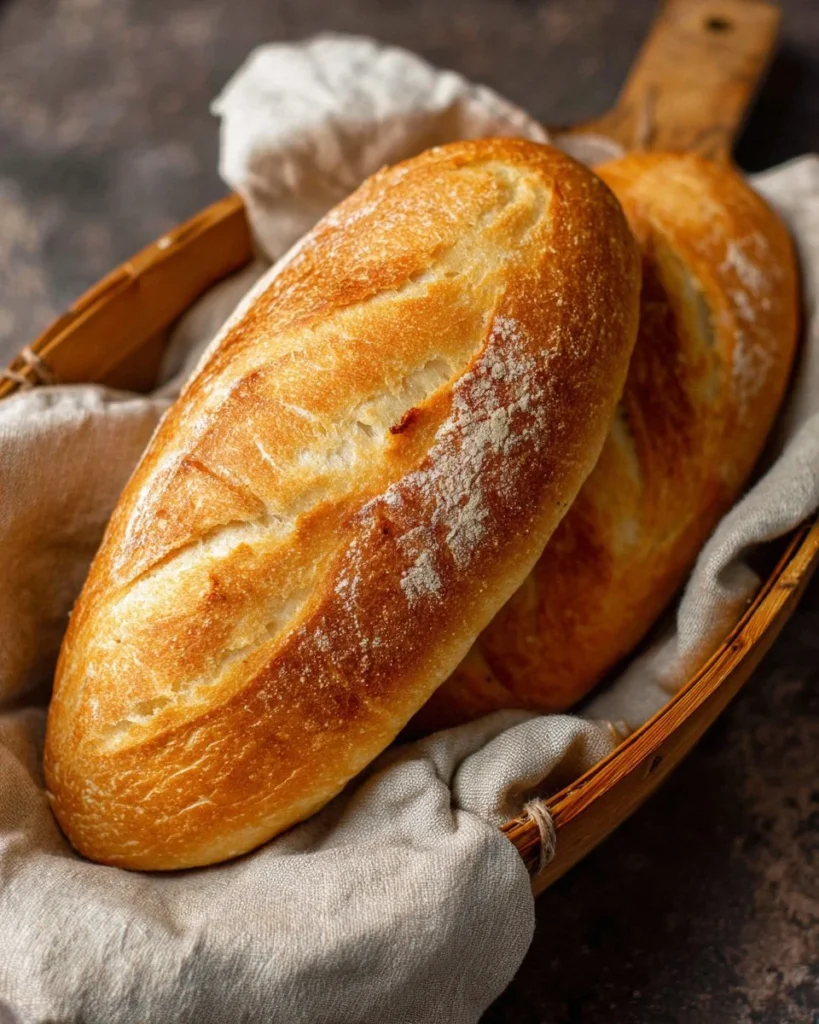
French Bread
Ingredients
Method
- In a large mixing bowl, combine warm water, sugar, and yeast. Let sit for 5 minutes until foamy.
- Add olive oil, flour, and salt to the yeast mixture. Mix until a shaggy dough forms.
- Knead the dough for 8–10 minutes until smooth and elastic.
- Shape into a ball and place in a lightly oiled bowl. Cover and let rise for 1 to 1½ hours or until doubled in size.
- Punch down the dough and divide it in half. Shape each half into a log and place seam side down on parchment-lined baking sheet.
- Cover and let rise for 30–40 minutes until puffy.
- Preheat oven to 425°F (220°C).
- Score each loaf with 3–4 diagonal slashes and place in the oven. Pour 1 cup of hot water into a pan on the bottom rack to create steam.
- Bake for 25–30 minutes until golden brown and hollow when tapped.
- Cool on a wire rack for at least 20 minutes before slicing.