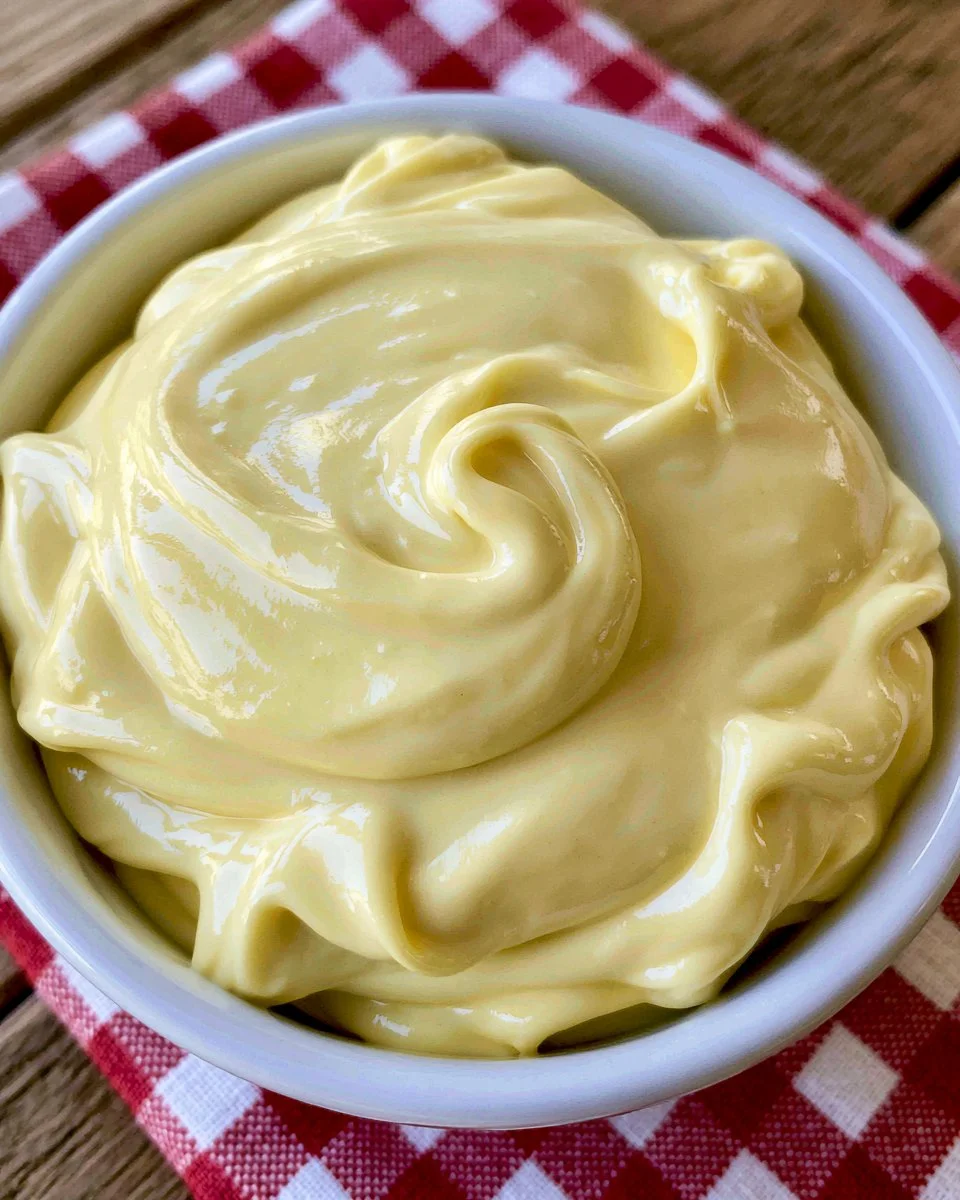
There’s something incredibly satisfying about making your own condiments from scratch, and homemade mayonnaise tops that list. Imagine a creamy, rich condiment that elevates any meal, whether it’s a sandwich, salad, or dip. This luxurious spread is surprisingly easy to create at home, and it’s customizable to suit your tastes. Plus, you’ll know exactly what’s in it—no preservatives or artificial flavors!
This recipe is perfect for busy families looking to jazz up their dinner tables or health-conscious individuals wanting a fresher alternative. Homemade mayonnaise also makes a delightful addition to meal prep, giving you a delicious sauce to dive into any day of the week. With its versatility and ease, it’s a staple that deserves a spot in your fridge.
Quick Answer
Homemade mayonnaise is a creamy, custard-like condiment made from egg yolks and oil. It’s loved for its fresh flavor and versatility, making it suitable for sandwiches, salads, and dips. Ideal for health-conscious individuals and busy families alike, it’s both simple to make and customize.
Why You’ll Love This Recipe
This homemade mayonnaise recipe will change the way you think about condiments forever. It offers a smooth, velvety texture that store-bought versions simply can’t replicate. The tanginess from the lemon or vinegar combined with the rich oil creates a balanced flavor profile that can enhance many dishes. Not only does it save you time and money, but it also allows you to control the ingredients, making it a healthier choice.
- Fresh Flavor: Enjoy a superior taste that brightens any meal.
- Customizable: Adjust tanginess and richness to your liking.
- Quick to Make: Whip up a batch in just a few minutes.
- Healthier Option: Avoid preservatives and additives found in store-bought versions.
- Meal Prep Friendly: Perfect for sandwiches, salads, and dips.
- Family Favorite: Kids love the creamy texture added to their meals.
What Makes This Recipe Special
This mayonnaise recipe stands out due to its simplicity and the fresh ingredients used. The texture is creamy and luscious, providing a delightful mouthfeel that’s hard to resist. The balance of flavors makes it versatile enough to complement a wide range of dishes, from simple sandwiches to gourmet salads. The emotional satisfaction of creating something from scratch adds to its appeal, making this mayonnaise a meaningful addition to any culinary repertoire.
Kitchen Tools You’ll Need
- Whisk – To blend the egg yolks and other ingredients initially.
- Mini Food Processor – Ideal for emulsifying the mayonnaise quickly.
- Immersion Blender – Convenient for making mayonnaise directly in the blending cup.
- Non-Reactive Bowl – Prevents any potential reactions with acidic ingredients.
Ingredients
- egg yolks: Provide richness and structure to the mayonnaise.
- lemon juice or vinegar: Adds acidity and a tangy flavor to balance the richness.
- Dijon mustard: Contributes depth of flavor and helps stabilize the emulsion.
- salt: Enhances the overall taste and balances flavors.
- oil: Forms the base of the mayonnaise, creating its creamy texture.
Ready to cook? Scroll to the recipe card below for exact measurements.
How to Make Homemade Mayonnaise
STEP 1. Combine the base. Whisk egg yolks, lemon juice or vinegar, Dijon mustard, and salt in a small bowl until combined.
STEP 2. Transfer the mixture. Move the mixture to a mini food processor or the blender cup of an immersion blender.
STEP 3. Add the oil gradually. Start by adding 1/4 teaspoon of oil at a time, pulsing to incorporate each addition before adding more.
STEP 4. Increase oil flow. Gradually increase to adding 1 teaspoon of oil, then once 1/3 of the oil is used, add 1 tablespoon at a time until all oil is incorporated and the mixture is thick and smooth.
STEP 5. Transfer and cover. Move the mayonnaise to a non-reactive bowl and cover with plastic wrap, pressing it directly on the surface to prevent a skin from forming.
STEP 6. Store properly. Keep it in the fridge for up to a week, but do not freeze.
Why This Recipe Works
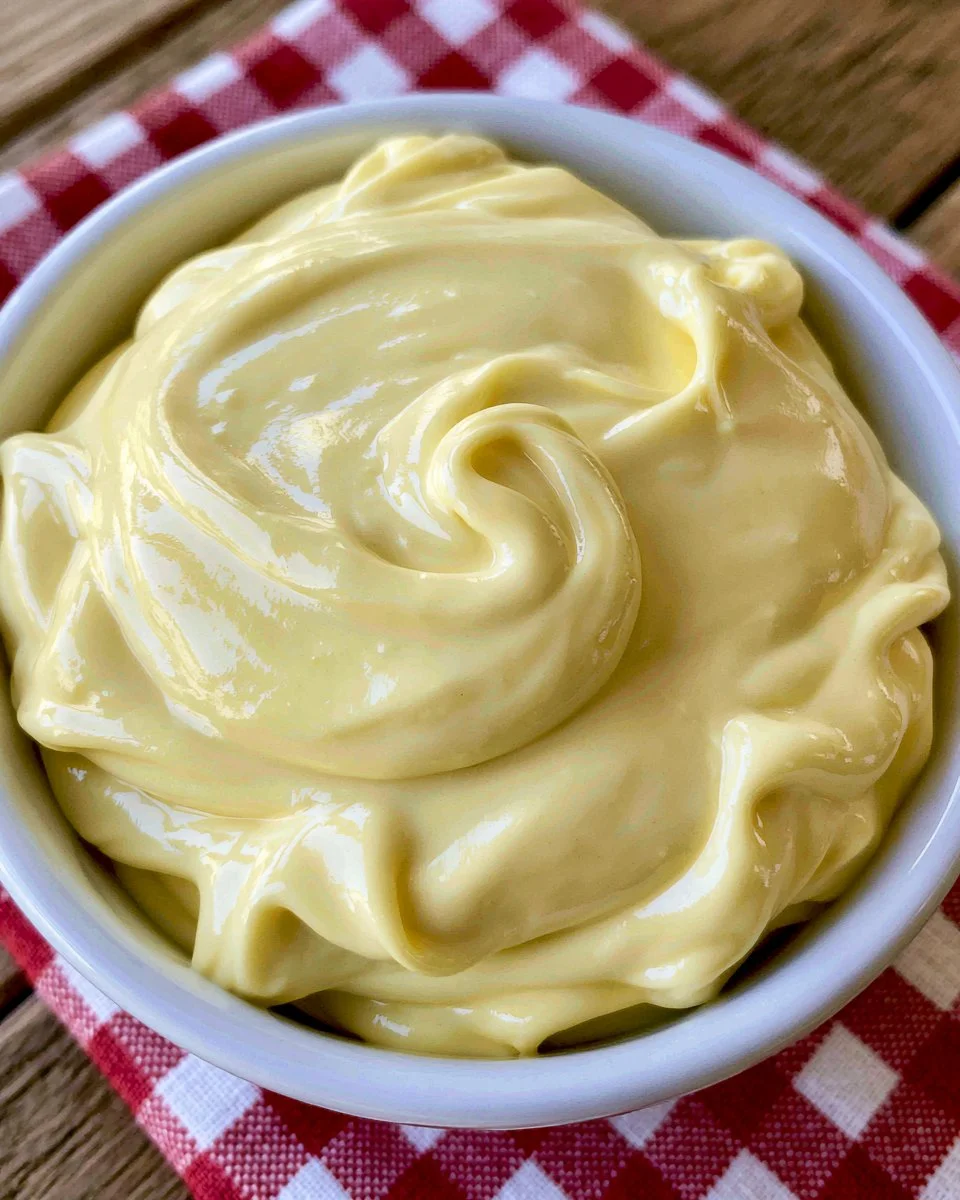
The beauty of this homemade mayonnaise lies in its texture. The careful emulsification of the oil with the egg yolks creates a rich, thick consistency that you simply won’t find in store-bought varieties. The flavors meld beautifully, each ingredient playing a vital role in the overall taste. The acid from the lemon juice or vinegar not only enhances the flavor but also acts as a preservative, helping the mayonnaise stay fresh longer. The simple method of blending also ensures that this recipe is accessible for home cooks of all skill levels.
Pro Tips for Best Results
- Use fresh ingredients: Fresh eggs and high-quality oil make a significant difference in flavor.
- Temperature matters: Ensure all ingredients are at room temperature for better emulsification.
- Don’t rush the oil: Adding oil too quickly can prevent the mayonnaise from thickening properly.
- Taste as you go: Adjust the acidity and seasoning to suit your preferences.
- Experiment: Add herbs or spices for a personalized twist!
Common Mistakes to Avoid
Mistake:
Adding oil too quickly.
Why it happens:
Many cooks try to speed up the process, leading to a broken mayonnaise.
How to fix it:
Add the oil more slowly to allow for proper emulsification.
Mistake:
Using cold ingredients.
Why it happens:
Chilled oil or egg yolks can hinder emulsification.
How to fix it:
Let your ingredients come to room temperature before starting.
Mistake:
Not tasting the mayonnaise.
Why it happens:
Overlooking flavor adjustments can lead to a bland condiment.
How to fix it:
Always taste and adjust seasoning as needed.
Mistake:
Storing improperly.
Why it happens:
Mayonnaise can spoil if not covered well.
How to fix it:
Cover tightly with plastic wrap touching the surface and refrigerate immediately.
Recipe Variations
- Basil Mayonnaise – Blend in fresh basil for a herby touch.
- Garlic Aioli – Add minced garlic for a flavorful twist.
- Spicy Mayonnaise – Mix in a bit of sriracha or hot sauce for heat.
- Lemon Dill – Add lemon zest and fresh dill for a refreshing flavor.
- Smoky Chipotle – Incorporate chipotle for a smoky profile.
Nutrition Highlights
| Nutrient | Per Serving |
|---|---|
| Protein | 2g |
| Fiber | 0g |
| Carbohydrates | 1g |
| Healthy Fats | 11g |
| Calories | 100 |
How to Serve Homemade Mayonnaise
- Spread on sandwiches or wraps for added creaminess.
- Use as a base for potato or pasta salads.
- Dip fresh vegetables for a crunchy snack.
- Top grilled meats for added richness.
- Mix with spices to create flavored dips.
Best Occasions for This Recipe
This homemade mayonnaise is fabulous for:
- Weeknight dinners with family.
- BBQ gatherings and picnics.
- Meal prep for easy weekday lunches.
- Potlucks where homemade dishes shine.
- Holiday celebrations, adding a personal touch.
Make Ahead & Storage
Can This Be Meal Prepped
Yes! Homemade mayonnaise can be made ahead and stored in the fridge. Prepare it over the weekend for quick meals during the week.
Storing Leftovers
Store leftover mayonnaise in an airtight container in the refrigerator for up to one week.
Freezing
Mayonnaise does not freeze well due to its emulsion. It’s best used fresh.
Reheating
Reheating is not necessary; simply use cold from the fridge as a condiment.
Creative Ways to Use Leftovers
Leftover homemade mayonnaise can become:
- Wraps with your favorite proteins and vegetables.
- Bowl meals with grains and greens.
- Sandwich spreads paired with meats or vegetables.
- Lunch boxes with assorted dips for kids.
FAQs
How long does homemade mayonnaise last?
Homemade mayonnaise can last up to one week when stored properly in an airtight container in the fridge.
Can I use olive oil instead of vegetable oil?
Yes, but olive oil will give the mayonnaise a stronger flavor. Consider using a lighter olive oil for a milder taste.
What happens if my mayonnaise doesn’t thicken?
If your mayonnaise doesn’t thicken, it might have been due to adding the oil too quickly or using cold ingredients. You can try adding a bit more egg yolk to help it emulsify.
Can I make mayonnaise with an electric mixer?
Yes, an electric mixer can be used, though it may take longer to achieve the same thick consistency as using a food processor or immersion blender.
How can I make mayonnaise vegan?
You can substitute the egg yolks with aquafaba (the liquid from canned chickpeas) for a vegan mayonnaise alternative.
Save This Recipe for Later
If you loved this homemade mayonnaise recipe, consider saving it to your Pinterest or bookmarking it for quick reference later. Share it with friends who will appreciate this classic condiment!
Final Thoughts
This homemade mayonnaise recipe is not just a condiment; it’s a simple way to elevate your meals with its fresh and creamy texture. The ease of preparation and the ability to customize flavors make it a worthwhile addition to your kitchen repertoire. Try it for yourself, save it for later, and explore more delicious related recipes!